In 2024 our floor-auction took place on Thursday, 12. December in Solothurn.
Location/venue: Hotel H4, Schänzlistrasse 5, CH-4500 Solothurn, Switzerland
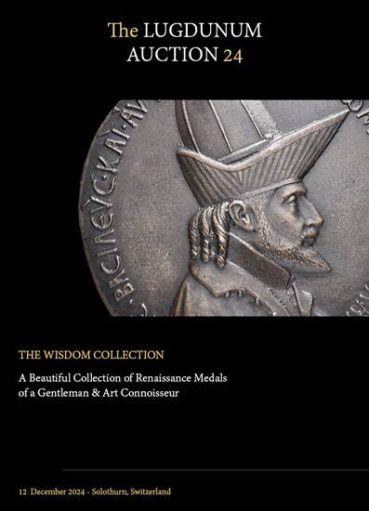
At the center was an outstanding collection of Renaissance medals we called «The Wisdom Collection».
A small selection of coins from Switzerland and around the world completed the offer.
Browse the catalogue online:
ITALIAN MEDALS
Lot No. 1 – 34
FRENCH MEDALS
Lot No. 35 – 79
GERMAN MEDALS
Lot No. 80 – 95
LOW COUNTRIES MEDALS
Lot No. 96 – 98
AUSTRIAN MEDALS
Lot No. 99 – 100
All lots and descriptions at any time on AUEX
The prices realised are available here in tabular form,
to print or download.
This link leads to the AUEX website, where each lot appears with its image, description and hammer price.
Lot viewing on site is only possible in our office by prior appointment and until Wednesday, 11th December 2024.
Viewing during the auction will not be possible.
Discover the highlights of our auction in our viewing videos, as if you were holding the medals in your own hands.
Click here for the viewing videos on YouTube
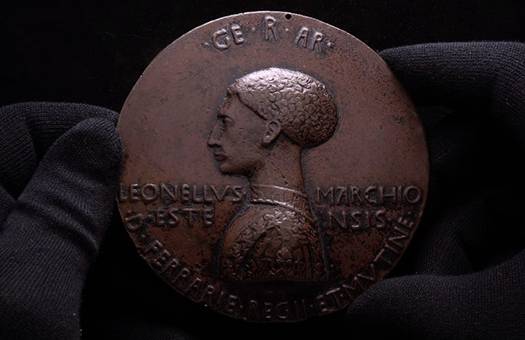
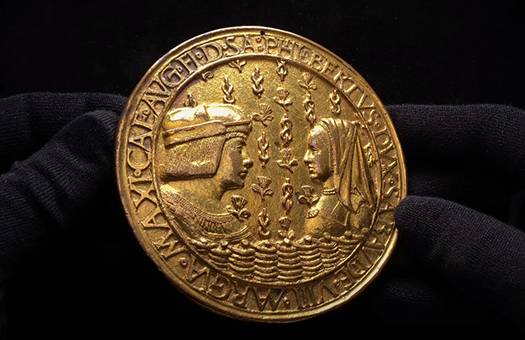
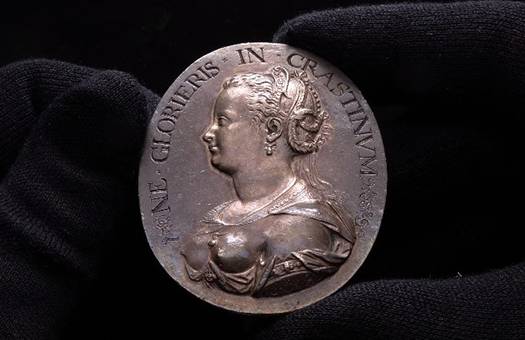
On the auction platform AUEX you will find more viewing videos
of all the medals that will be sold
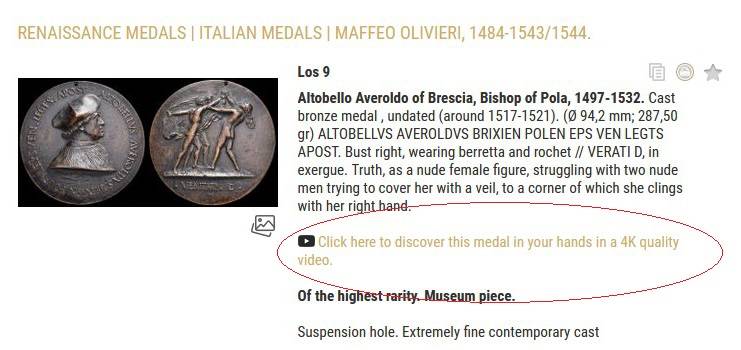
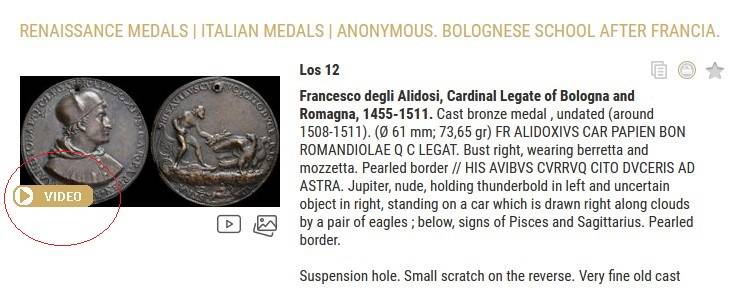
Offered at auction was «The Wisdom Collection» including more than 100 Renaissance medals from the collection of a gentleman & art connoisseur. Among them were numerous rarities and masterpieces. Not less than 15 years have passed since such an important collection of Renaissance medals appeared on the market. This auction could therefore be considered as a very rare opportunity.
Wisdom and Beauty are without any doubt the most important legacy of the fascinating period that was the Renaissance. From Italy to France, from Germany to the Low Countries, Renaissance medals, an invention of the brilliant Italian painter Pisanello, brought to our modern eyes, as an intemporal echo from the past, cast in metal, the values humanism stand for.
Indissociable from the European Renaissance elite’s culture, medals were cherished and admired in the same way as portrait paintings and no humanist prince would be considered complete, without a dedicated portrait medal. The medals were precious gifts and highly valued signs of honour. They were proudly displayed and exhibited by the recipient. This explains why most medals are pierced.
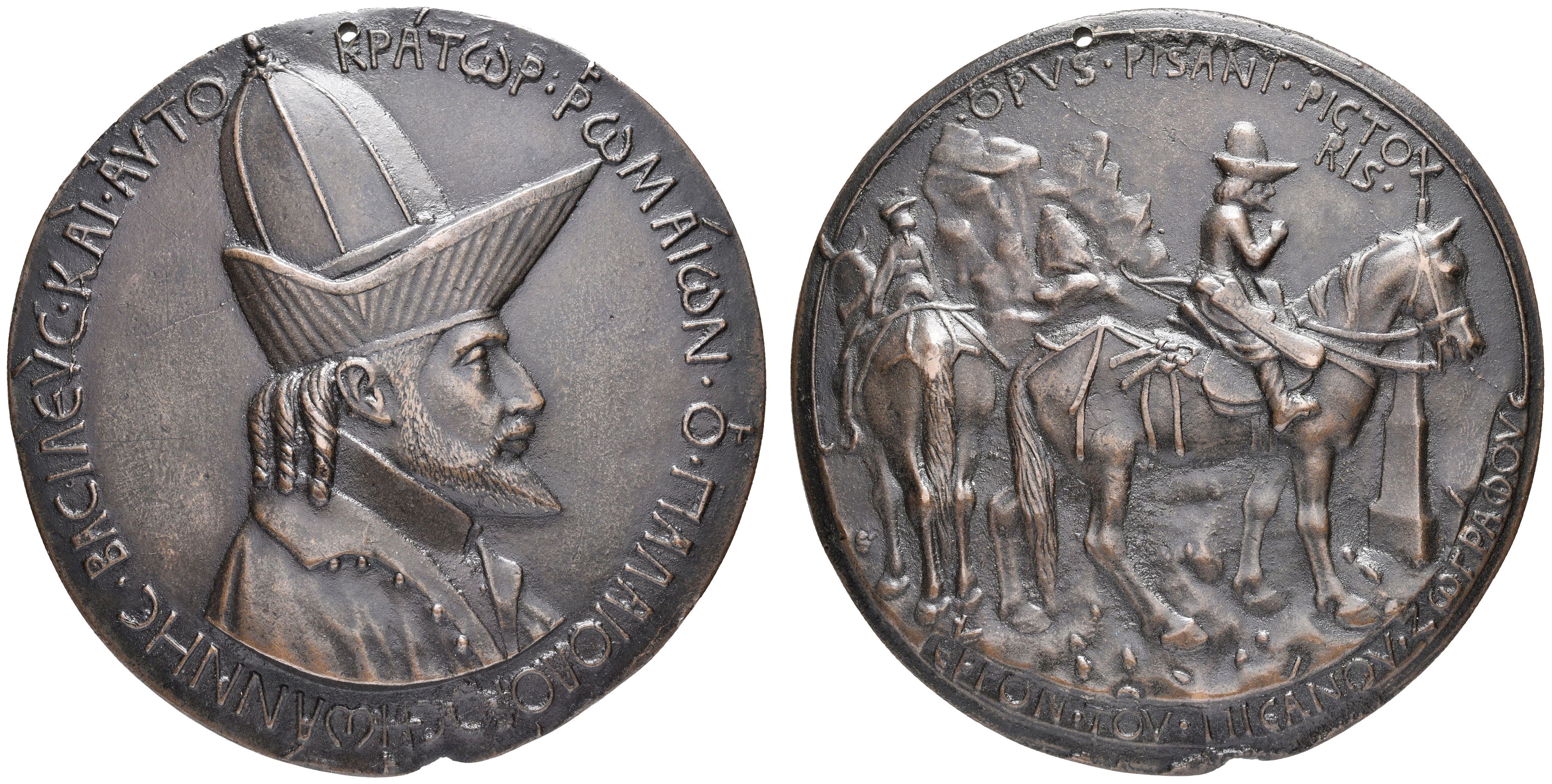
Antonio Pisano, called Pisanello (1380/1395–1450/1455)
Johannes VIII. Palaiologos (1425–1448), Byzantine emperor
Almost 600 years ago, in the dusty and dark workshop of a brilliant Italian painter, a work was created that would shape the history of art for centuries to come.
Follow this link for more detailed information on the Pisano Medal
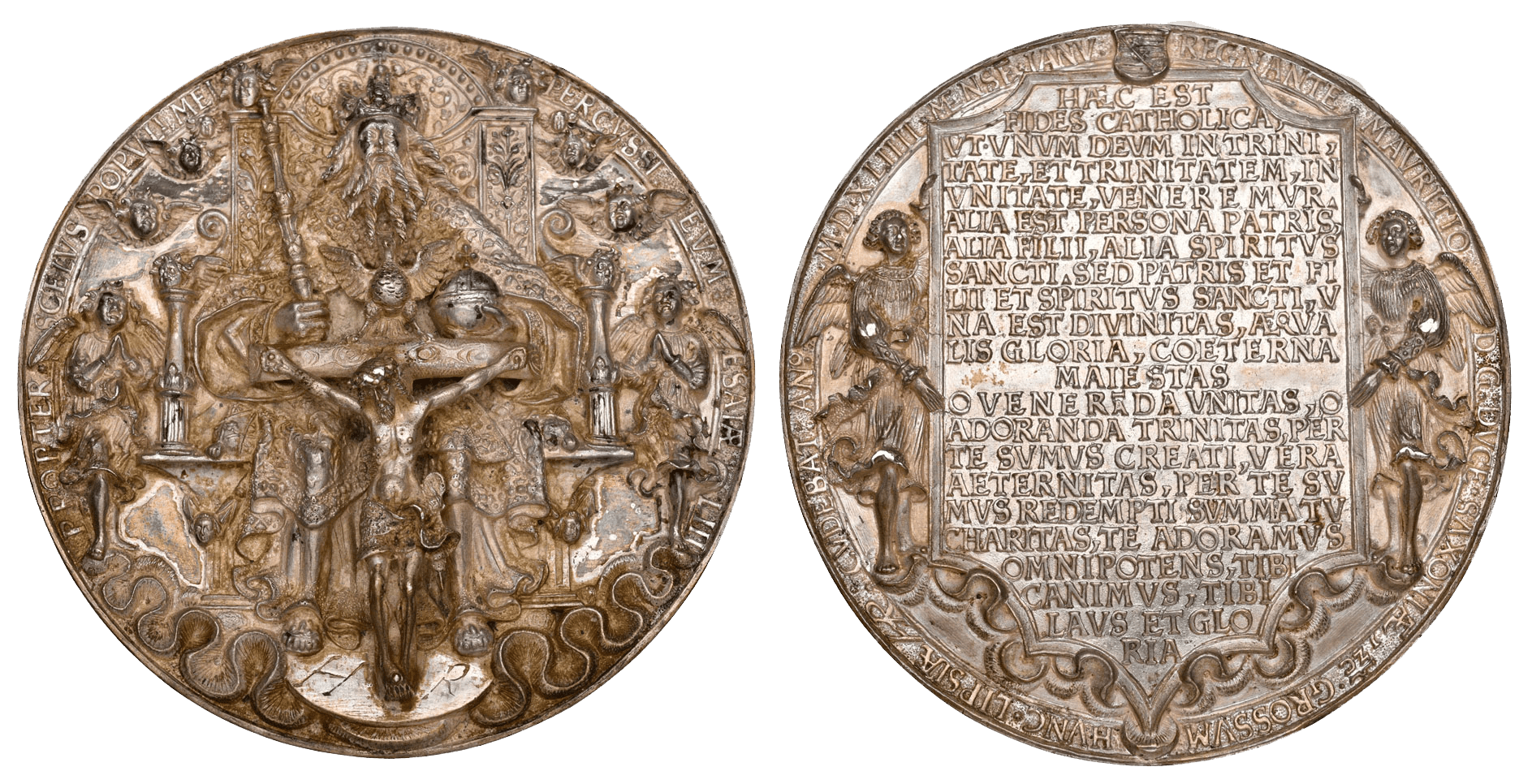
The Trinity-Medal by Hans Reinhart «the Elder»
(around 1500/10–1581)
This large Silver Medal, cast in high relief, is considered to be the work of an brilliant master as well as a very valuable diplomatic gift. It was created to prevent one of the first religious wars between Protestants and Catholics in Central Europe.
Follow this link for more detailed information on the Reinhart Medal
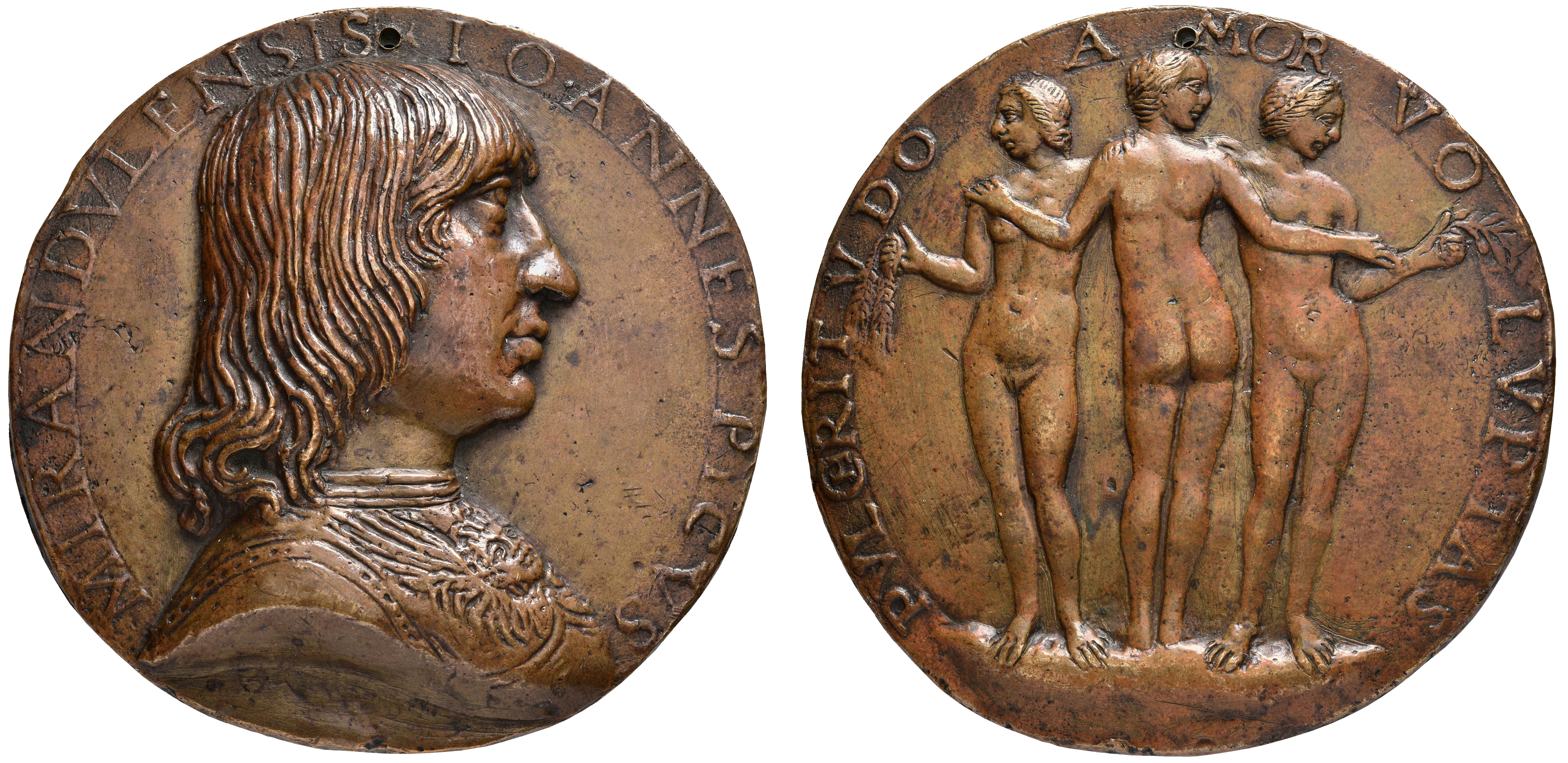
Niccolò Fiorentino (di Forzore Spinelli) (1430–1514), Medallist
Giovanni Pico della Mirandola (1463–1494), scholar, philosopher & humanist
Produced in Florence around 1485, the Medal shows the portrait of one of the most important humanists of the Renaissance: Giovanni Pico della Mirandola. The Medal is the only contemporary original that has survived the passing of time.
Follow this link for more detailed information on the Pico Medal
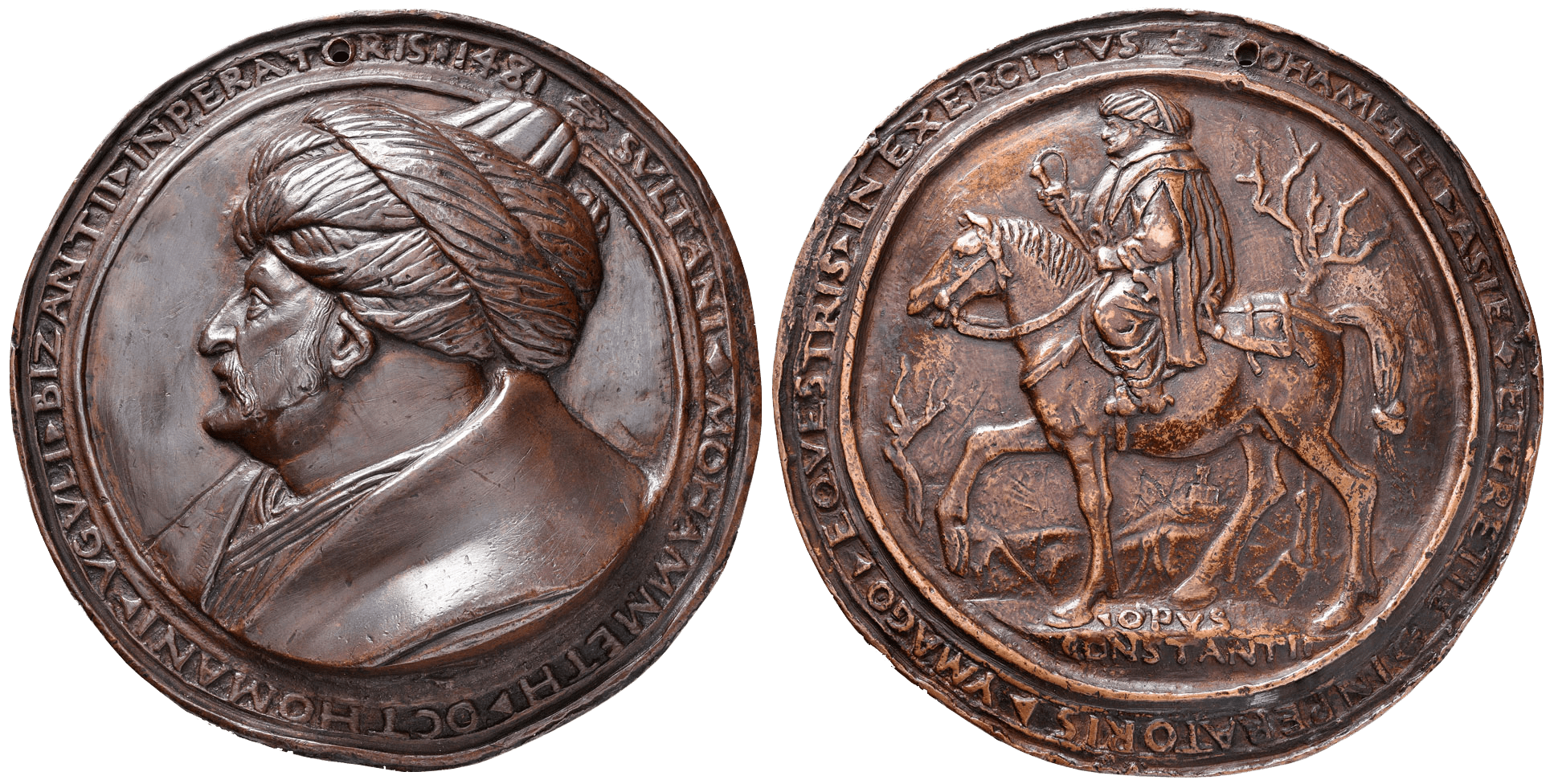
Costanzo da Ferrara (1450–1524), painter & medallist
Mehmed II (1444–1481), Sultan of the Ottoman Empire
Several renowned Italian medallists were personally invited by the Sultan to create a lasting memento for him. This medal is one of 8 Medal types and is considered one of the most beautiful of the Quatrocento.
Follow this link for more detailed information on the Mehmed Medal
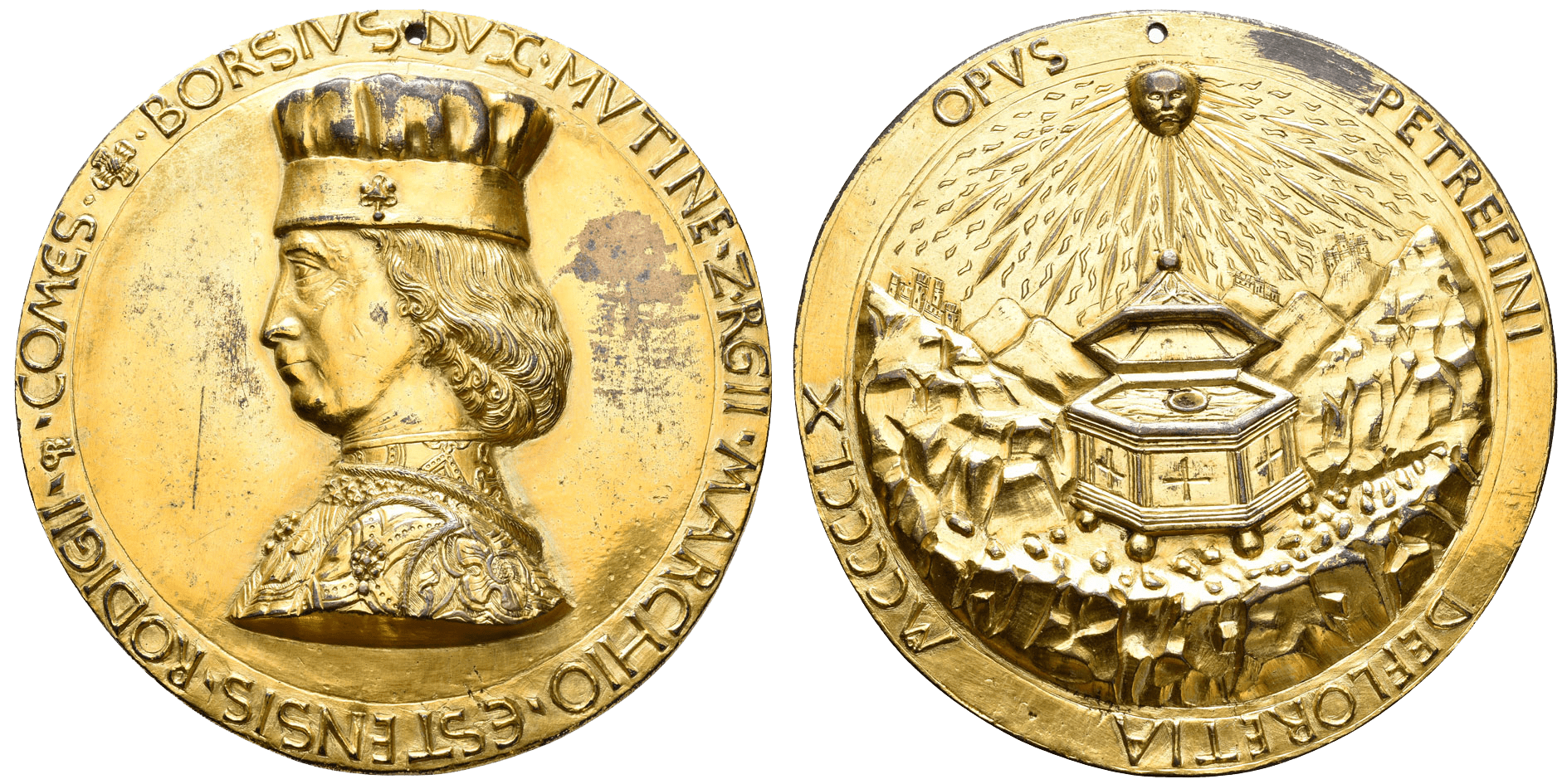
Petrecino of Florence (ca. 1450–1500), Medallist
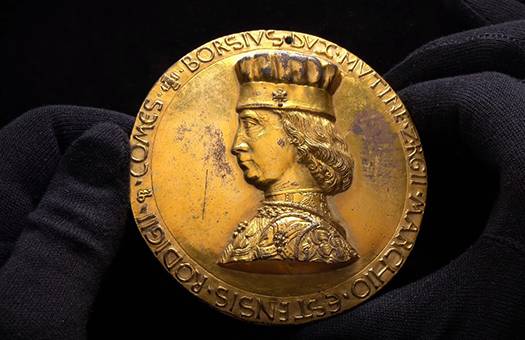
Borso d’Este (1450–1471), Duke of Modena and Reggio
This impressive gilt bronze medal was crafted in 1460 in Ferrara, by the Italian medallist Petrecino da Firenze (ca. 1450–1500), for an intriguing and fascinating ruler, Borso d’Este, Duke of Modena and Reggio, and Marquis of Ferrara.
This medal is considered as one of the best achievements of the Italian Renaissance medallic art. The impressive gilding, found on no other specimens known of this type, makes this example of the highest rarity and can directly be linked to a Gothic tase for gold.
Follow this link for more detailed information on the Borso Medal
Maffeo Olivieri (1484–1543/1544), Medallist
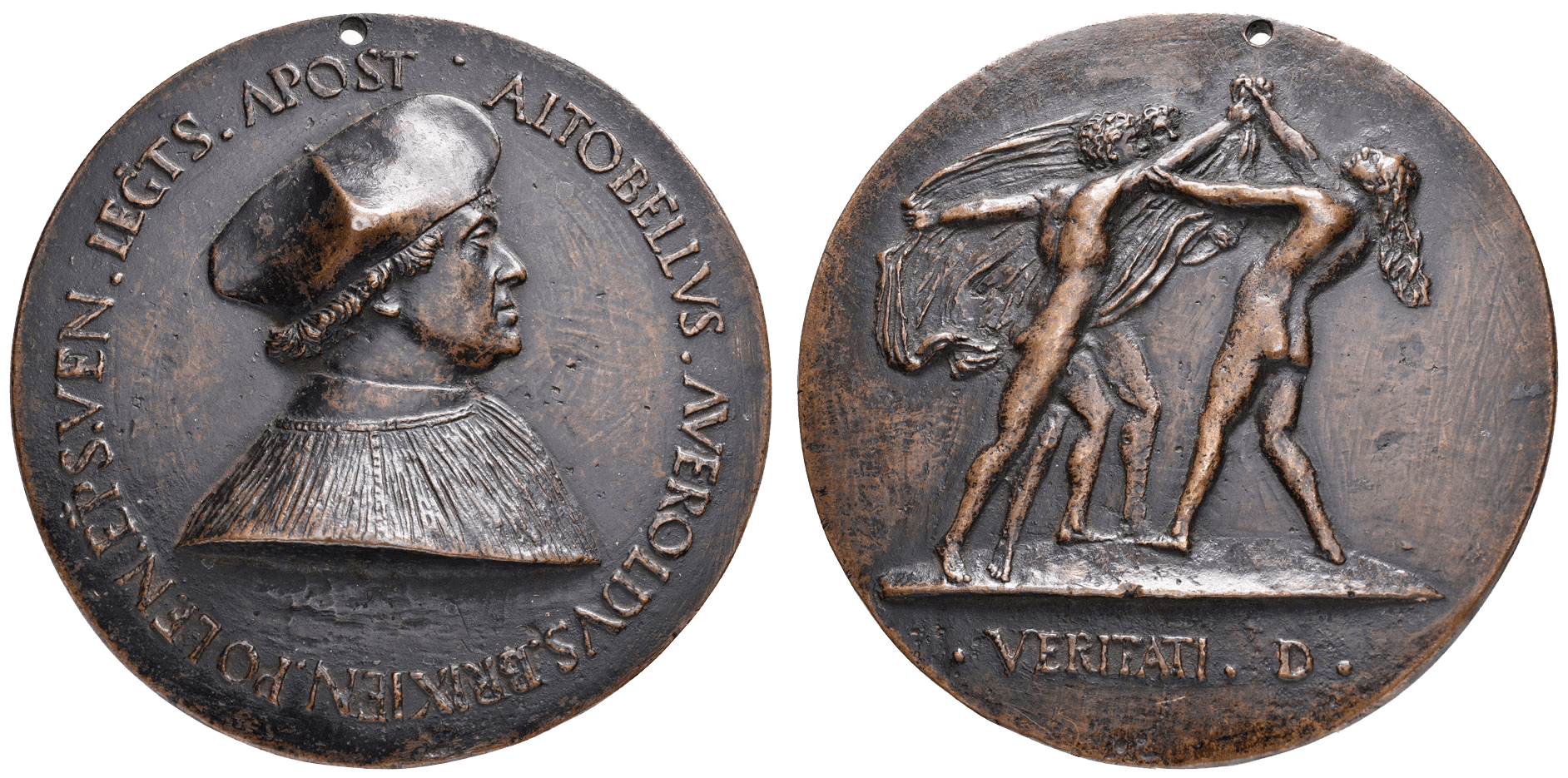
Altobello Averoldo of Brescia (1497–1532), Bishop of Pola (Croatia)
Somewhere around 1517–1521, this beautiful bronze medal was crafted to commemorate an important Italian political figure and Roman Catholic prelate, Altobello Averoldo. Within the medallic production of the artist Maffeo Olivieri, this medal is considered as one of his finest achievements.
Follow this link for more detailed information on the Altobello Medal